April 23, 2026
Light changes everything: The importance of lighting design in your home
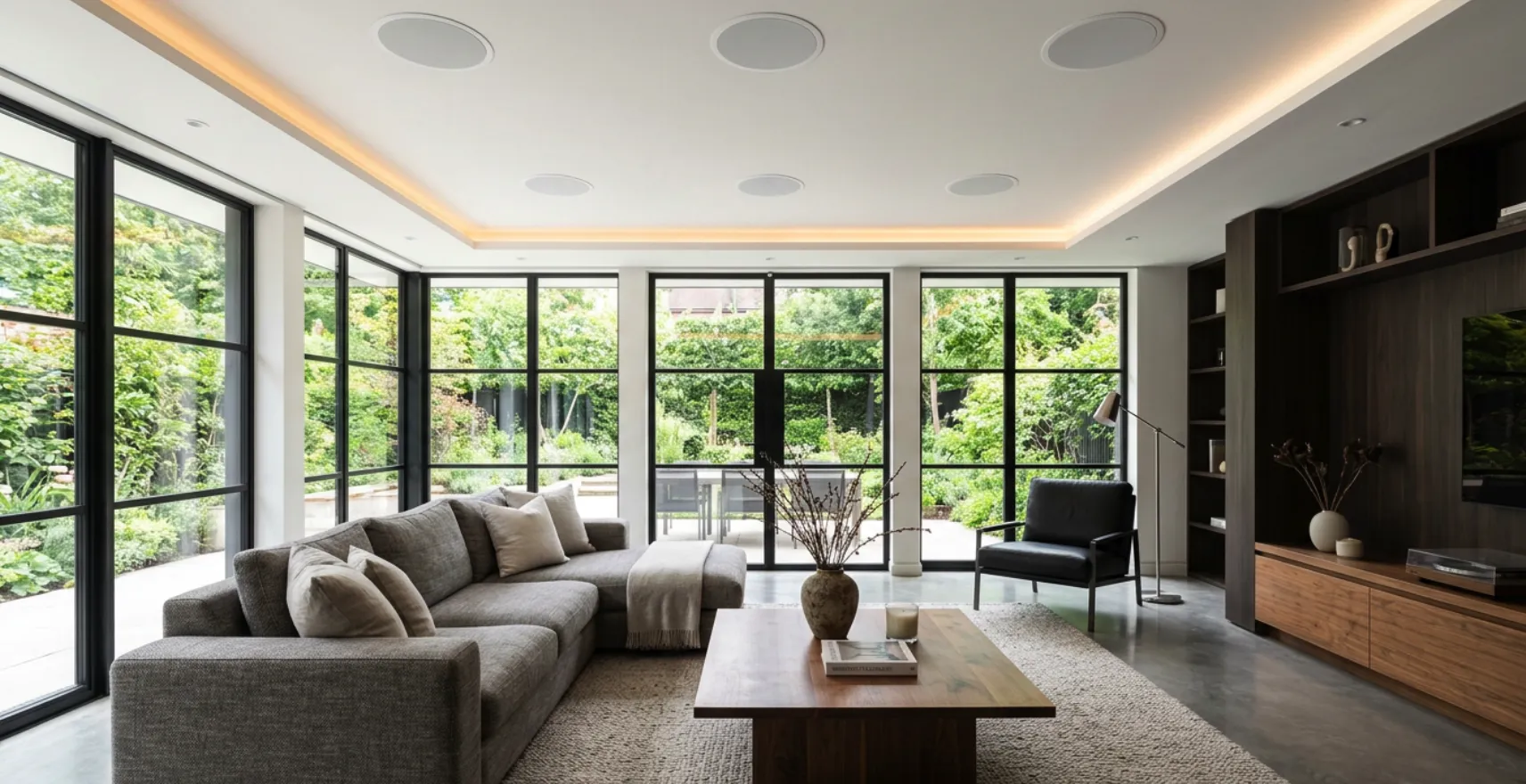
Lighting is the single most transformative element...

As client expectations evolve, understanding the full ecosystem of home automation is no longer optional — it’s central to delivering premium AV installations. What is smart home automation? Smart home automation refers to the integration of devices, systems, and technologies within a residential environment that can be monitored, controlled, and operated remotely or automatically — […]
As client expectations evolve, understanding the full ecosystem of home automation is no longer optional — it’s central to delivering premium AV installations.
Smart home automation refers to the integration of devices, systems, and technologies within a residential environment that can be monitored, controlled, and operated remotely or automatically — often without direct human input. At its core, it connects the previously siloed systems of a home (lighting, HVAC, entertainment, security, and more) into a unified, intelligent ecosystem.
For AV professionals, smart home automation represents both an evolution of traditional custom installation work and a significant commercial opportunity. Clients who once requested a projector and a surround sound system now expect those components to sit seamlessly within a broader whole-home control solution. Understanding how these systems work together is fundamental to designing and delivering installations that meet modern expectations.
Smart home automation is not a single product or platform — it’s a discipline. The AV professional’s role is to design, integrate, and commission systems that are reliable, intuitive, and future-proof for the end user.
Every smart home ecosystem is made up of several core pillars. While the specific products and protocols will vary by project, these categories remain consistent across virtually all installations.
The command centre processors and controllers from brands like Control4 that tie subsystems together.
The backbone of the smart home. A robust, segmented network is a prerequisite for reliable automation not an afterthought.
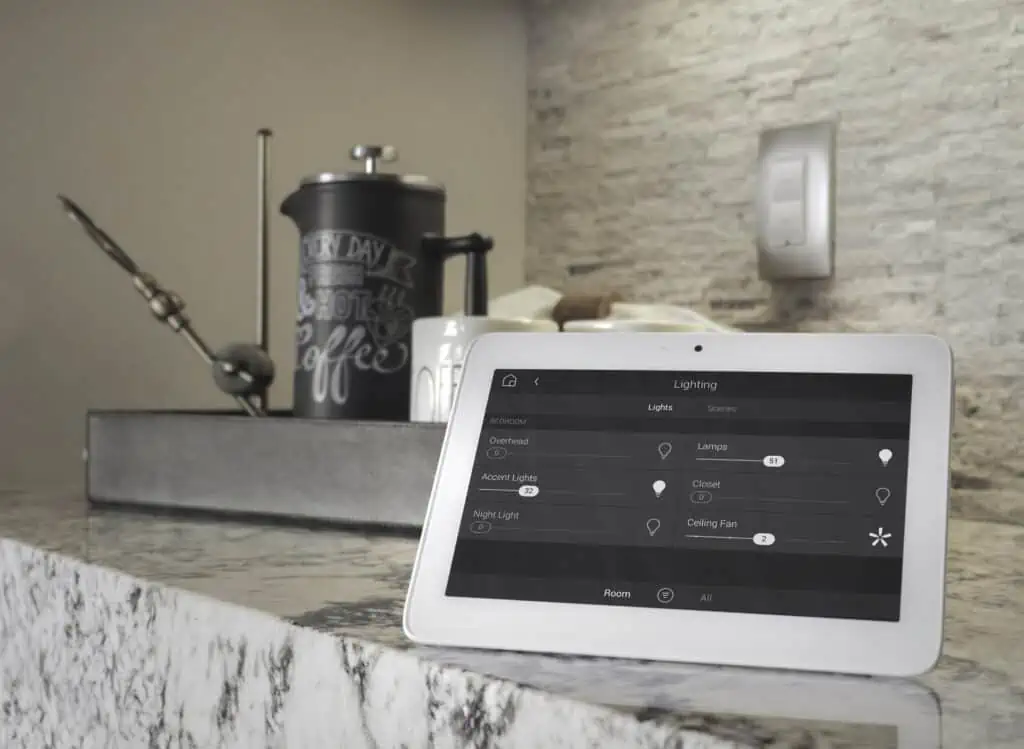
Smart dimmers, keypads, and colour-tunable fixtures from Lutron, Rako, and others — scene-settable and schedule-driven.
Distributed audio/video, home cinema, and streaming all source-routed and interface-controlled from a single touchpoint.
Access control, CCTV, alarm systems, and video doorbells integrated into the central control layer.
Smart thermostats, HVAC zoning, underfloor heating, and motorised blinds working together for comfort and efficiency.
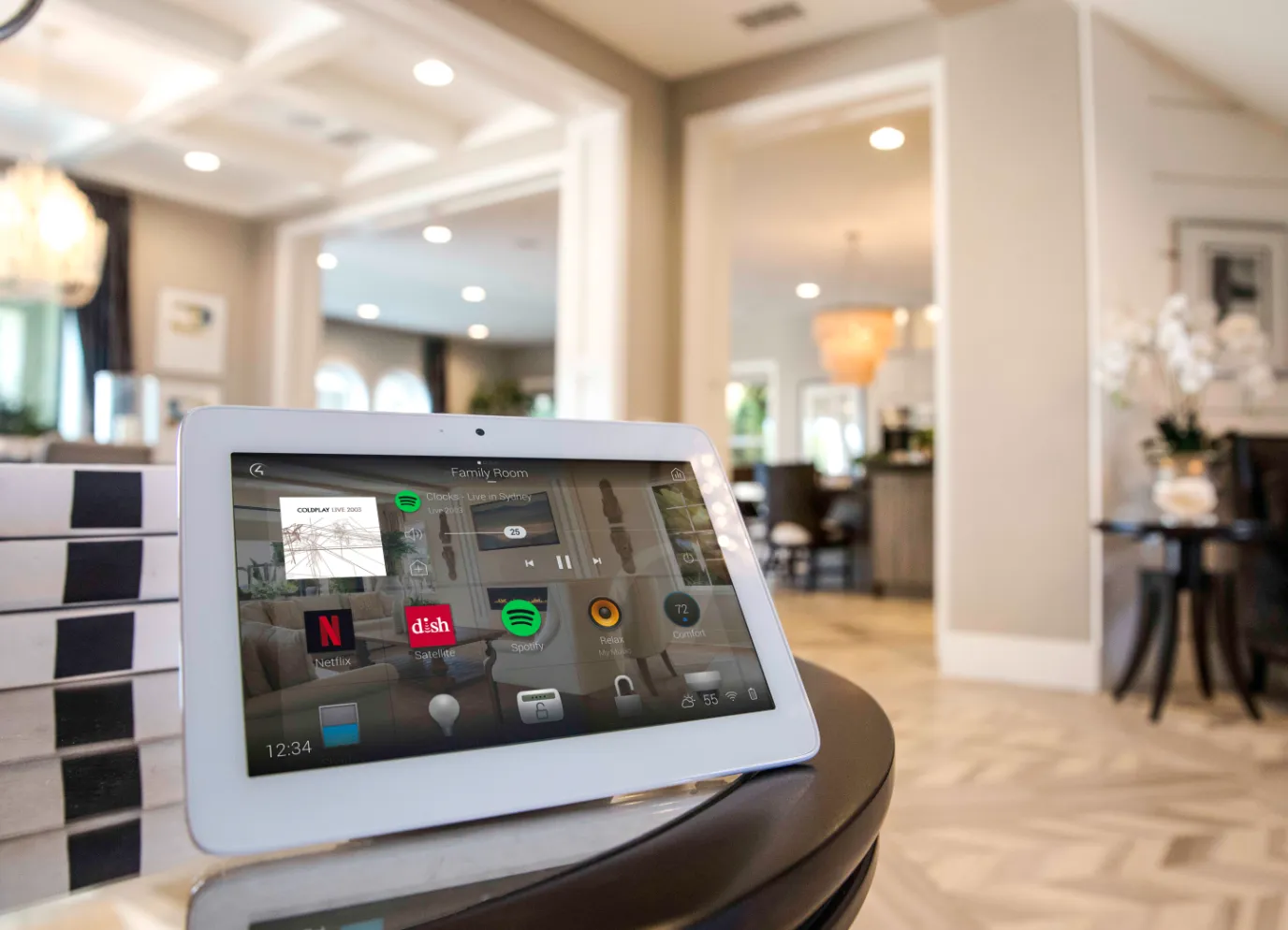
This is the brain. A dedicated processor (running software such as Control4’s OS 3, Crestron Home, or a Savant Pro system) communicates with every other device in the home using a combination of IP, RS-232, IR, and relay connections. It executes programming logic, responds to triggers, and presents the end-user with a unified interface — whether that’s a touchscreen, keypad, or mobile app.
Smart home devices speak many languages. As an integrator, you’ll regularly work across several protocols simultaneously. Zigbee and Z-Wave are common for lower-cost wireless devices. KNX is widely specified in larger residential and commercial projects for its reliability. Lutron’s proprietary Clear Connect protocol remains the gold standard for wireless lighting, while IP-based drivers handle the bulk of AV source routing and control. Understanding when to apply each — and where they overlap — is a critical skill.
Control interfaces are the client’s daily experience of the system. These include in-wall touchscreens, dedicated remotes, mobile and tablet apps, and increasingly, voice assistants such as Amazon Alexa and Google Home integrated via the main control system. Good UI design in automation programming is as important as the hardware it controls — a poorly designed interface undermines even the most technically accomplished installation.
The real value proposition of a smart home — for both the client and the integrator — lies in automation logic. This is where individual device control gives way to whole-home intelligence. A well-programmed system might dim the lights, lower the motorised blinds, power up the TV, and switch the HVAC to “evening” mode the moment a client presses a single “Good Evening” scene on their keypad. Schedules, geofencing, and sensor triggers (motion, door contacts, dawn/dusk) take this further, allowing the home to anticipate behaviour rather than simply respond to it.
From a business perspective, automation programming is where the integrator’s expertise commands real value. Hardware margins continue to compress; well-designed, bespoke automation experiences do not.
Historically, smart home products were fragmented — brands operated in silos, and integrators had to manage a patchwork of proprietary ecosystems. The Matter protocol, developed by the Connectivity Standards Alliance and backed by Apple, Google, Amazon, and Samsung, represents a significant shift. Matter-certified devices from different manufacturers can communicate natively, reducing integration complexity for lower-tier installs. For professional integrators working at the higher end of the market, Matter primarily matters as a device layer beneath a premium control system — it won’t replace platforms like Control4 or Crestron, but it does expand the compatible device pool considerably.
Smart home automation is not a standalone vertical — it grew out of the custom AV industry. AV professionals already possess the structured cabling knowledge, the project management discipline, and the client relationship trust that successful automation installations require. The shift is primarily one of scope: where once a project ended at the equipment rack, it now extends to every switch, sensor, and subsystem in the building.
Firms that invest in control system certifications, network competencies, and automation programming skills are increasingly being positioned not just as equipment installers, but as the lead design and integration consultant for the entire smart home — a significant elevation in both project value and professional standing.